Water Damage Restoration: What Homeowners Should Know
Few household emergencies rise as quickly as water damage, and homeowners often do not fully grasp how quickly a small problem can grow into a major disaster. A small leak may destroy the walls, floors, insulation, electrical wiring, and even the frame of a house. Wetness may conceal itself in walls and floors, and this may prove to be a long-term problem unless it is addressed promptly. Understanding how the water enters, the early indication, and preventing its expansion can help repair a very expensive restoration. A timely, correct response allows house owners to safeguard their home and remain composed.
Many homeowners resort to hiring the services of professional companies such as B & B Restoration when they need professional assistance. Professional auditors are taught to identify the full scope of the damage, seal off the areas, and fix them using valid techniques. The involvement of professionals in the job ensures that people are kept safe, stress is minimized, and the long-term value of their property is preserved as the homeowners resume normal life sooner.
Common Causes of Residential Water Damage
The reasons why homes can get wet are numerous and may include broken pipes, faulty appliances, broken roofs, sewerage overflow, and natural disasters. Damage is also likely to occur due to changes in weather conditions, such as hot and cold weather, and old plumbing.
Identifying the source of Water Damage is critical because different categories of water exposure require specific cleanup and sanitation methods. Finding a solution to the root of the problem immediately prevents the recurrence of the problem and reduces the scope of the damage that requires correction.
Early Warning Signs Homeowners Should Never Ignore
Most of the Water Damage begins on a small scale. Check on tinting ceilings, flaking paint, bowing floors, funky smells, or the appearance of an increase in the water bill. The moisture may go behind the walls or beneath the floors, thus it may be necessary to have a professional examination. Moisture meters and heat imaging cameras help restoration professionals to locate issues at an early stage and save money, and prevent additional damage.
Why Acting Quickly Makes a Difference
The most important thing in the resolution of water issues is time. This postponement allows the moisture to penetrate further into building materials and render drywall, insulation, and framing weak. Quick response minimizes the chances of structural losses and other issues, including molds. Studies show that tackling water damage within the first 24 to 48 hours gives better results and lower overall costs.
What the Professional Restoration Process Involves
Restoration of the professional is based on a plan. The area is initially inspected, and the area is mapped by technicians. They then take out water with heavy-duty water suction machines.
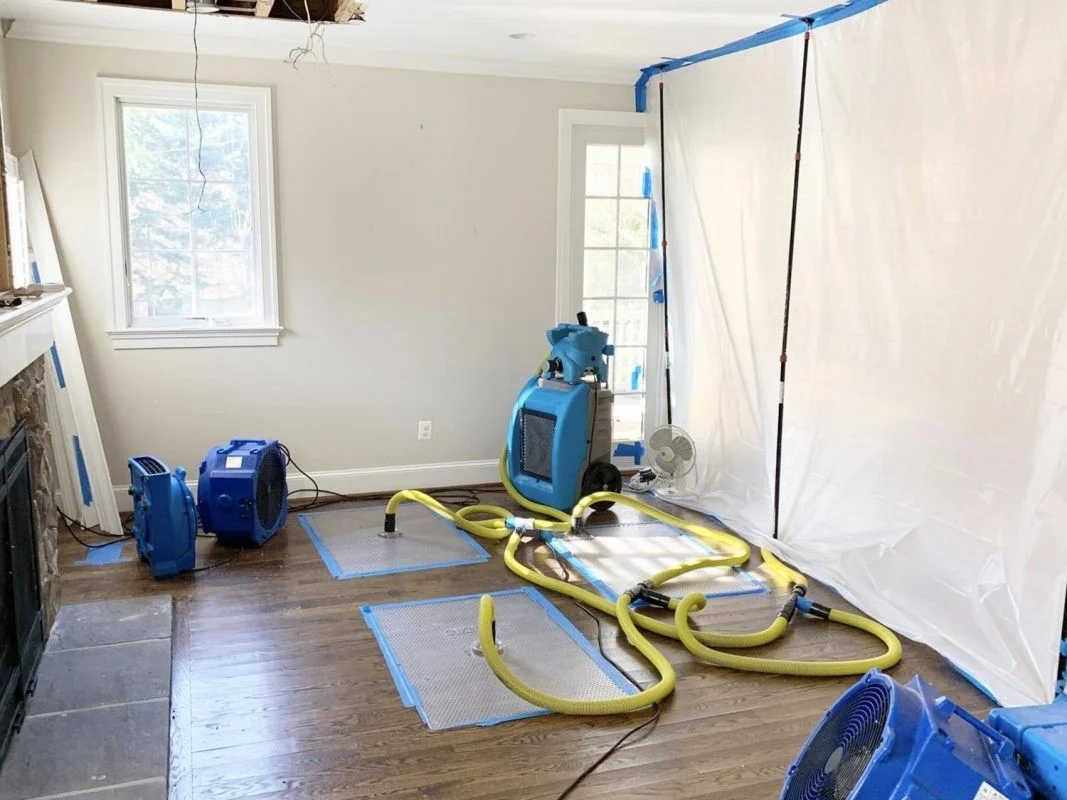
Dryers and dehumidifiers eliminate the remaining dampness, and cleaning and sanitization restore the security of the area. Proper handling of Water Damage also includes continuous monitoring to confirm moisture levels return to acceptable standards before repairs are completed.
Health Risks of Untreated Moisture
Dampness is worse than building, and it is also painful to people. Wet environments are environments where bacteria, allergens, and mold thrive. If water damage is not fixed, indoor air quality can worsen, making breathing problems and allergies worse.
Professional restoration activities eliminate contaminated substances and re-establish a safe living environment, which safeguards family and pets.
Insurance Claims and Documentation
An insurance claim may also be a stressful activity in the case of an emergency. Most homeowner policies include sudden water issues. However, some are only covered under certain circumstances and wording. Good records are vital.
Restoration professionals help homeowners document Water Damage through photographs, measurements of moisture content, and reports. This simplifies communication with insurers and accelerates the process of approval of claims.
Preventing Future Water-Related Problems
While not all water damage can be stopped, careful maintenance cuts the risk. Annual plumbing, appliance repairs, roof repairs, and proper drainage make a house safe throughout the year. Water sensors and automatic shut-off valves will provide an additional measure of protection. The following measures will protect your investment and reduce the risk of unexpected problems.
How Technology Is Improving Restoration Outcomes
The advanced tools are applied in modern restoration to be more speedy and precise. Using Infrared cameras and moisture meters, the background dampness is identified without destroying the house. Strong fans and commercial dehumidifiers evaporate spaces more quickly and leave the intact portions dry. Digital solutions provide accurate reports to homeowners and insurance companies and reduce guesswork, and maintain work to industry level.
Conclusion
The feeling of water emergencies may be overwhelming, and some knowledge and preparation can be of help. Understanding causes, warning signs, restoration steps, and prevention strategies for Water Damage allows homeowners to act quickly and confidently.
Professional restoration remedies the obvious damage and conceals the potential risks of impact on health and structure. Rapid response and specialized assistance enable residents to secure their home, recover their comfort, and prevent the occurrence of problems in the future, transforming an emotional situation into a coping recovery.
Frequently Asked Questions
1. How long does water damage restoration usually take?
Most projects take three to five days, though extensive damage may require more time.
2. Can moisture issues lead to mold growth?
Yes, mold can begin developing within 24–48 hours if moisture is not properly removed.
3. Is damage always visible right away?
No, many issues occur behind walls or under flooring and require professional detection.
4. Does homeowners’ insurance typically cover restoration?
Coverage depends on the cause of the damage and individual policy terms.
5. When should a restoration professional be contacted?
Immediately after discovering water intrusion to limit damage and health risks.